Yes, the title is a play on the song from Beauty and the Beast.
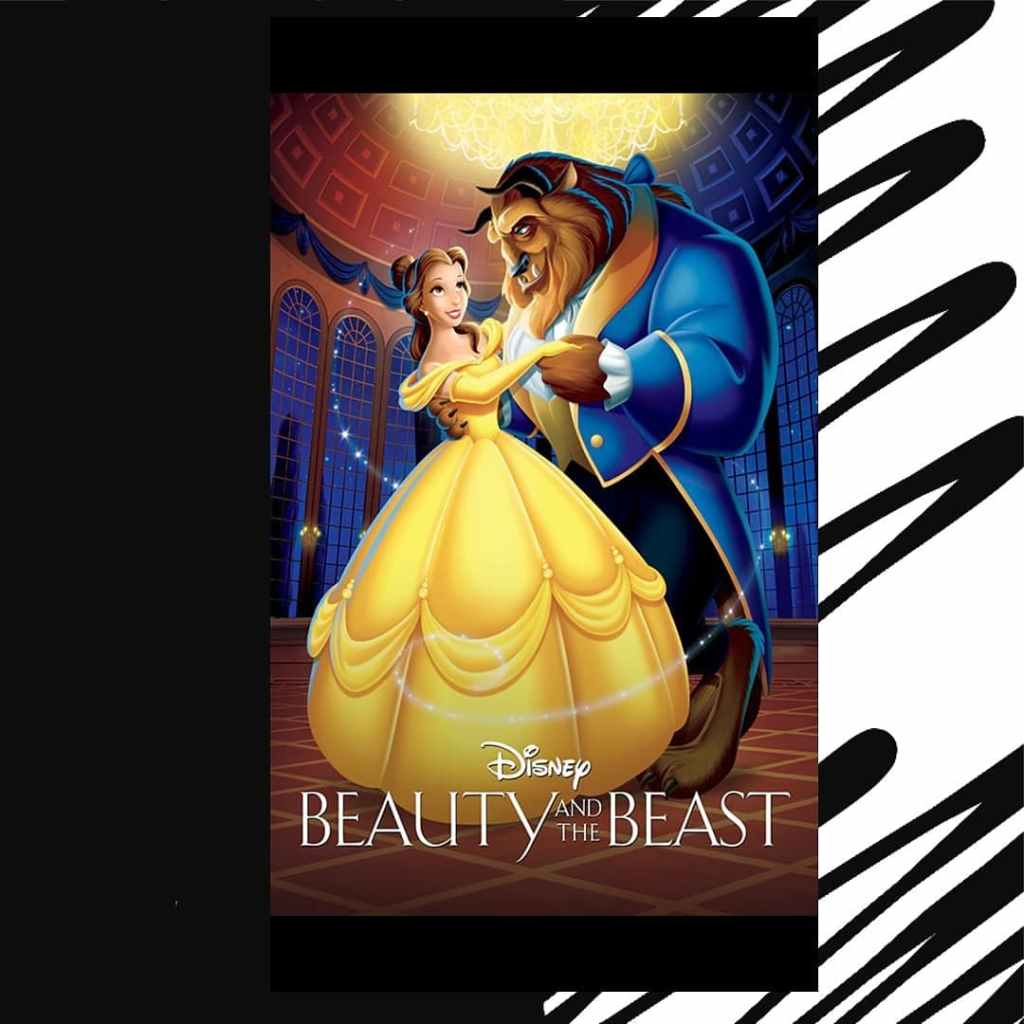
I was thinking about it the other day…
Did you ever notice how when you’re reading this really great book that’s supposed to be an all time classic piece of literature there’s a specific scene that jumps out at you and says ‘Hey! Isn’t that just like that happened in [insert name of Netflix show]?”
It happens to me a lot!
My dad talks about how the most interesting stories are the ones that are “original”. Newness is something we all crave. Because who wants to just watch or read multiple renditions of the same exact plot over and over?
Think about… mysteries / crime stories for example! James Patterson or Stephen King novels. Or maybe you’re thinking Secren Seven and Famous Five. Or Quantico and White Collar and Castle. What if, with a few name and setting changes, these were all the exact same story over and over? What if all the victims were the same type of person and all the villains were as well? What if they all had the same motivations and jealousies and angers and desires? Where’s the fun in going through multiple books or episodes of the exact same plot? There isn’t.
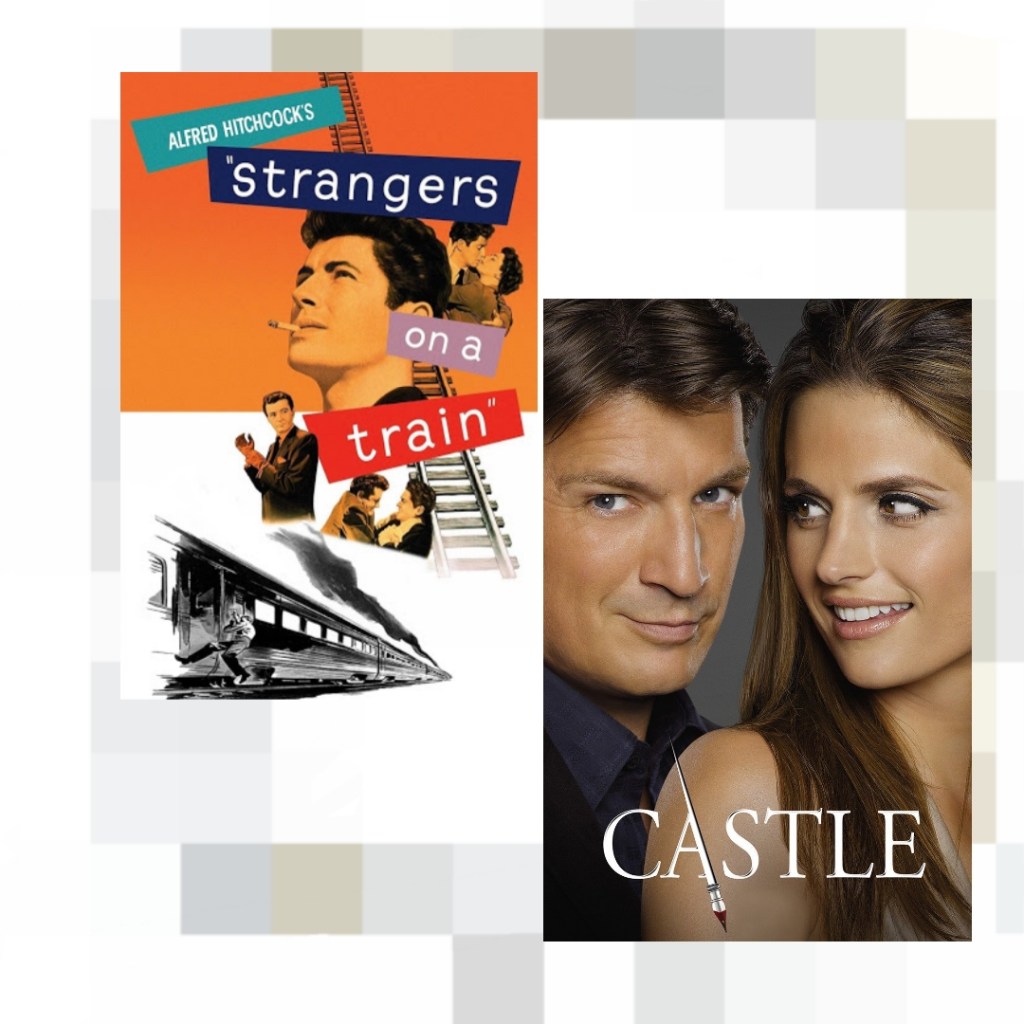
But now… let’s think about it… I mentioned Castle. It’s legit my fav cop show ever! There are some episodes that I’ve probably watched a dozen times. There’s this one episode in particular that I think of now. S2Ep2: “The Double Down”. The concept is that of Alfred Hitchcock’s Strangers on a Train. In fact, our mystery-solving/mystery-writing NYPD consultant, Richard Castle says so himself in the episode – a clever way for the writers of the episode to give the original point of inspiration its due acknowledgement.
If the basic story line is similar, then where’s the “originality”? The “newness”? What makes us (or at least, me) want to watch this episode over and over, deem it one of our (or my) favorites, regardless of already knowing the plot of Strangers on a Train?
One word: Nuance.

Google’s definition of “nuance”: “a subtle difference in or shade of meaning, expression, or sound.”
Yes, the basic plot of Strangers on a Train and “The Double Down” are basically the same. Two men meet, they both hold grudges against an individual in their own lives, and decide to trade murders. But if you really think about, the stories are quite different. For example, the biggest difference: While Hitchcock’s story started with a train on which the murderers met once, in this Castle episode, the perpetrators meet on a ferry in New York on their way to work several mornings a week. Then, you have that Strangers on a Train is focused on the murderers and their lives and their torment. Meanwhile, Castle is about Castle and how he solves this murder with Kate Beckett, his cop partner, and catches the murderers. Then, you also have a genre change. While Strangers on a Train is a psychological thriller, this episode of Castle just like the rest is a police procedural with an abundance of comedy.
Another example I can think of… Hallmark Romances.
It’s always the same formula: Girl meets guy. They kinda like each other but they don’t tell each other. There’s a misunderstanding and they fight. They make up by the end and proclaim their love for each other.
And yet, there are so many Hallmark Romances because they’re that good and popular. And there are romance films that use this story formula outside of Hallmark too. And why? Again, it’s those nuances.
The differences in character, in circumstance, in subplot, in setting.

For comparison, I’ll pick up two of my favorites: Midnight at the Magnolia (a Hallmark film) and Holidate (a Netflix film). Midnight at the Magnolia is about two childhood friends and radio show co-hosts, Maggie and Jake, who – in the efforts of increasing the popularity of their show and for the happiness of their families – pretend to date. Faking relationships? Not a great idea. So of course, this fake romantic relationship eventually takes a turn for the worse while also managing to put strain on Maggie and Jake’s real friendship. However, by the end of the movie, Jake realizes that he actually is in love with his best friend and reveals as much to her. And the HEA (Happily Ever After) is realized. Holidate is also about a fake relationship, this time between two strangers who meet by chance, Sloane and Jackson. They each have their motivations. Sloane is tired of her family pitying her recent breakup and her mother constantly trying to set her up. Meanwhile, Jackson is simply not in the mood to pursue a serious relationship and has especially is adverse to the idea of spending holidays with flings who fall too fast. Sloane and Jackson both believe being each other’s holidates (platonic dates specifically intended for the holidays) is a safe plan to maintain both their sanity and holiday cheer. Eventually, conflict ensues, apologies are ignored, fighting, blah, blah, blah. But at the end, Jackson and Sloane realize their feelings for each other and HEA is achieved.
So, what makes these movies different?
First: Character motivation! While Maggie and Jake fake their relationship for their fans and family, Sloane and Jackson do so because they just think it’s easier than dealing with trying to start and maintain actual romantic relationships.
Second: Character relations. Maggie and Jake are childhood friends which gives the audience a feeling of sweetness and “awe…” while Sloane and Jackson are sexy strangers that want to make the audience go “Awe, hell yeah!” “Do her!” “Do him!”
Third: Why they got into a fight. Jake, after running into his ex-girlfriend from high school, loses track of time and forgets to meet Maggie for watching It’s a Wonderful Life and eating dinner as is tradition to celebrate Maggie’s mother’s death anniversary. Said ex also happens to be the same girl that Jake broke his pact with Maggie to go with her to their high school prom for. Talk about salt and wounds… (Damn, if I were her, I’d definitely be heartbroken. Friends can do so much more damage than boyfriends… But that’s for another time.) Sloane and Jackson’s conflict goes a different way. After telling her on more than one occasion that he wasn’t attracted to her and that he didn’t want to have sex with her, he ends up having sex with her. Twice. Drunk. But Sloane pushes Jackson away, saying it was a mistake. Come next holiday, Jackson tries to talk to Sloane but she believes he never wanted to have sex with her in the first place. Even after he says he lied about not being attracted to her afraid she wouldn’t be his holidate, she refuses to acknowledge her feelings. (Women can have commitment issues and be a little stupid too, sometimes. I’d know. I’m one of them.)
Fourth: Who did what. While Maggie (the girl) was the one to fall first, Jake (the guy) was the one in denial of his feelings initially. With Holidate, it was the exact opposite. Jackson (the guy) fell first and Sloane (the girl) was in denial.
These nuances are why though the basic plots are the same, each story can be considered original.
Each tale is as old as time. But each time the tale is told, it’s different. Because a different character makes all the difference. No one person reacts the same as another. No combination of individuals make the same mistake sin the same exact way. No one ever feels the exact same way as another in their place might have.
Tales are old. But who tells it and who lives it is what leads to nuances and originality.

